Art Fair Preparation Checklist for Artists
What this helps you do
Prepare the works, records, and follow-up before the fair opens.
An art fair compresses months of studio work into a few public days. The booth matters, but the back-office preparation matters just as much. You need the right work, clear prices, clean labels, packing plans, sales records, and a follow-up system before the doors open.
At a glance
Key takeaways
- Choose a coherent group of works and settle prices, labels, and packing before the fair begins.
- Make each displayed work easy to identify and keep a simple way to record serious conversations.
- Update sold, reserved, returned, and damaged records as soon as the fair is over.
Choose work by booth story, not storage panic
The best fair booths feel coherent. They do not need to show every direction in your practice. Choose a body of work that makes sense together and gives visitors a clear way into the practice.
Balance anchors, mid-range works, and smaller accessible pieces if that fits your market. Bring backups, but do not overload the booth. Too much work can make the strongest pieces harder to see.
Confirm pricing before you pack
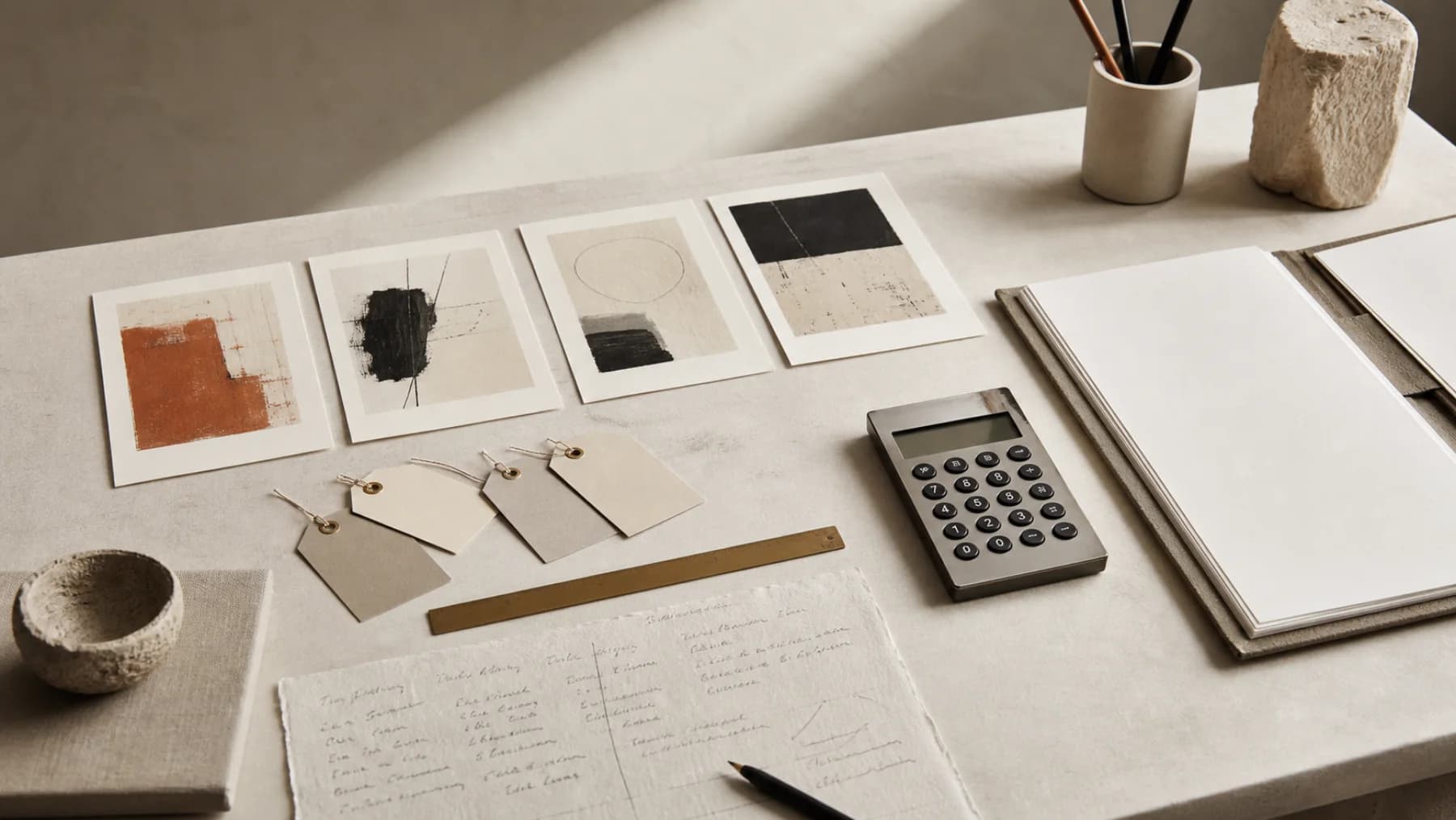
Decide prices before the fair and keep them in one place. Write down retail price, fair price if different, framing cost, taxes if applicable, and any discount boundary you are willing to hold.
Improvised pricing under pressure is exhausting. A clear price list helps you respond with confidence and protects consistency across collectors, galleries, and online listings.
Prepare labels and documents
Every displayed work should have a label or a reliable way for visitors to identify it. At minimum, include title, year, medium, dimensions, and price if your fair context supports visible pricing.
For works that sell, have certificates, invoices, care notes, and packing information ready. The smoother the handoff feels, the more professional the sale feels.
- Artwork labels
- Price list
- Certificate of authenticity template
- Invoice or receipt workflow
- Packing materials for sold works
- Business cards or contact QR code
- Collector follow-up notes
Pack like you will be tired later
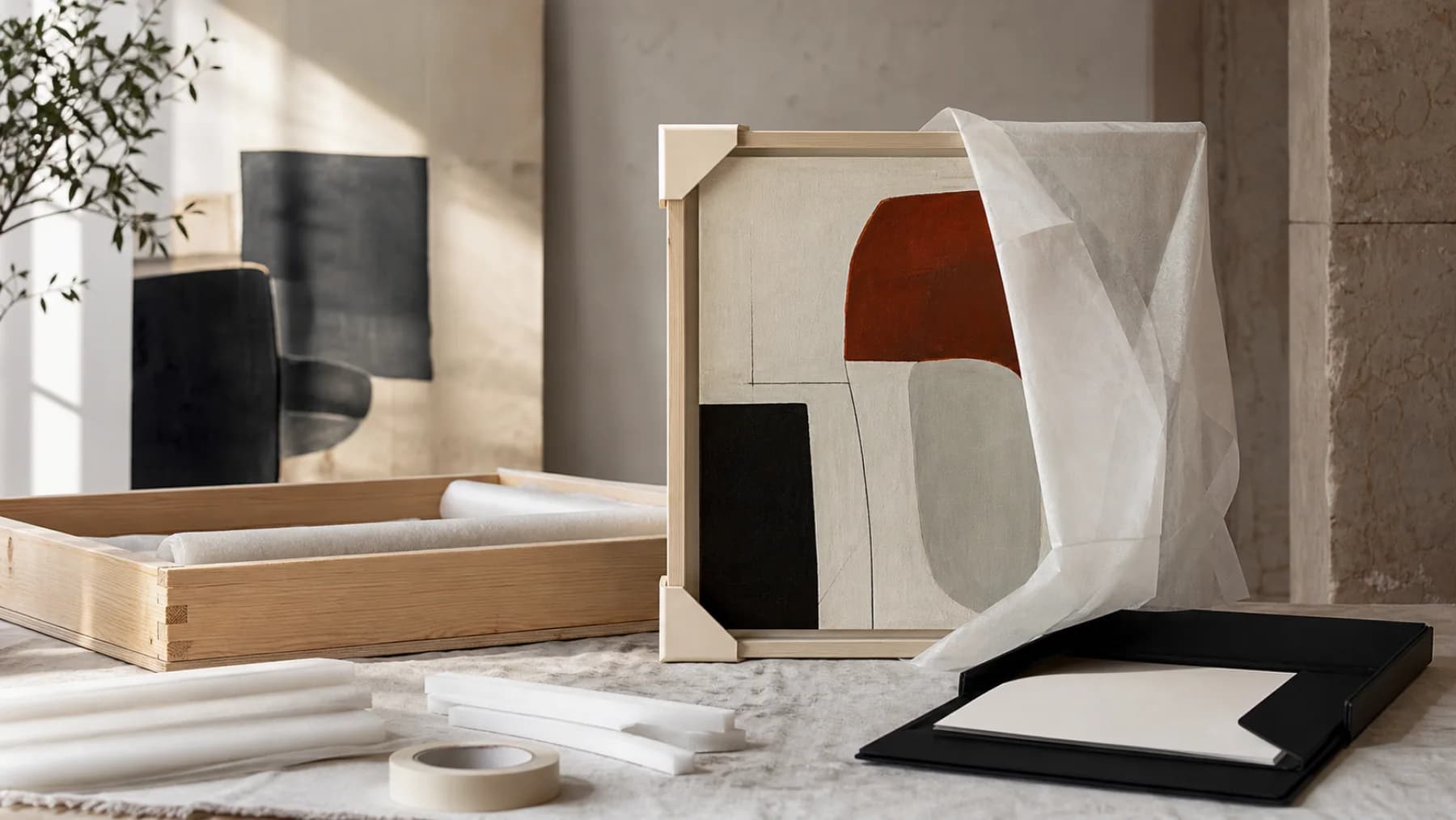
The end of a fair is when damage happens. Label packaging by artwork code, keep corner protectors and sleeves matched to the right pieces, and photograph the booth before unpacking so you can rebuild it or document display context later.
Bring more tape, glassine, labels, hanging hardware, and cleaning cloths than you think. Small missing supplies become large problems when the venue is closing.
Record conversations while they are fresh
After each serious conversation, write down the visitor's name, contact details, artworks discussed, budget signals, timing, and any promised follow-up. Do this the same day if possible.
A fair can produce many warm leads that vanish because the details blur together. Good notes turn a busy weekend into a usable collector pipeline.
Do a post-fair inventory reset
When the fair ends, update every record: sold, reserved, returned to studio, damaged, consigned, or still packed. Check that prices, availability, locations, and contact notes match what actually happened.
This reset is the difference between a fair being an event and a fair becoming part of your long-term business record.
Worked example
The fair pack list
Prepare one line for every work: inventory number, wall label, price, packaging location, certificate status, and whether it is a display piece or backup. At closing time, tick each work back into the studio or mark its next destination.
Prepare fair inventory from your actual records
Artwork Codex helps you select works, print labels, track availability, record sales, and follow up with contacts after the fair.
Paid checkout requires a card. Cancel anytime. The Free plan remains available without a card.
Free plan available. Paid plans add deeper sales, labels, and catalog workflows.