How to Track Exhibition History for Each Artwork
What this helps you do
Connect each exhibition to the works, dates, and documents behind it.
Exhibition history is not only a line on your CV. It is part of an artwork's life. Knowing where a piece has been shown helps with provenance, pricing, insurance, press, sales conversations, and future catalog work. The trick is to record it while the show is happening, not years later from memory.
At a glance
Key takeaways
- Record the show and the exact artworks included while the exhibition is still happening.
- Keep installation images, checklists, press, and loan or sales papers with the show record.
- Update each work's location and status when the exhibition closes, not weeks later.
Record the show and the works
A show record should include the exhibition title, venue, city, dates, curator if relevant, participating artists, and a list of works included. The artwork list matters as much as the show title.
Artists often remember that they were in a show but forget exactly which pieces were included. That detail becomes important later when building provenance, catalog entries, and sale conversations.
Use consistent exhibition names
Write the venue and exhibition title the same way every time. Small inconsistencies make CVs messy and searching harder. Choose a format and stick to it.
For example: Slow Archive, Finch Gallery, London, 2026. If there was a curator, add that in a separate note rather than cramming everything into one title field.
Attach documentation
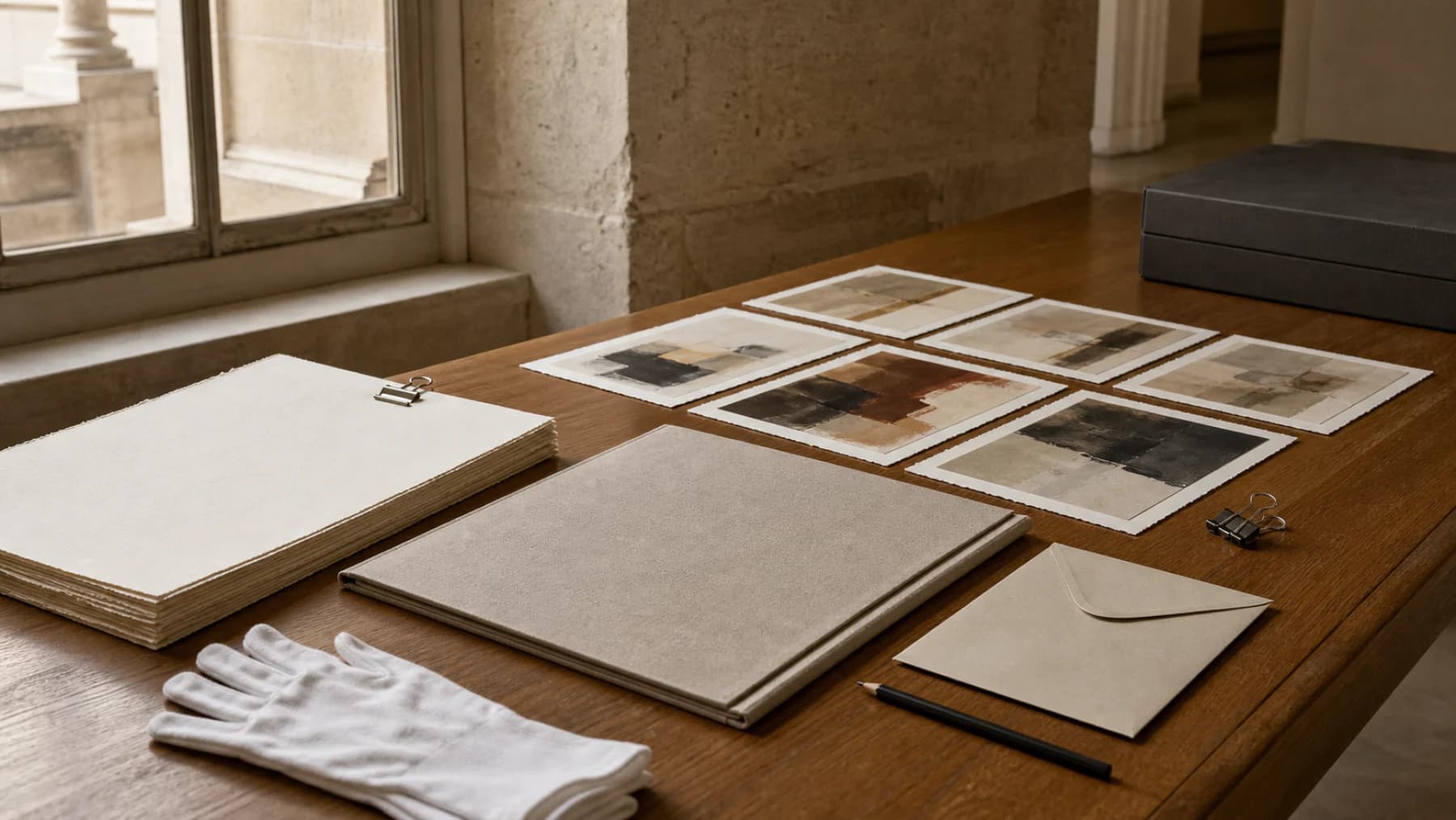
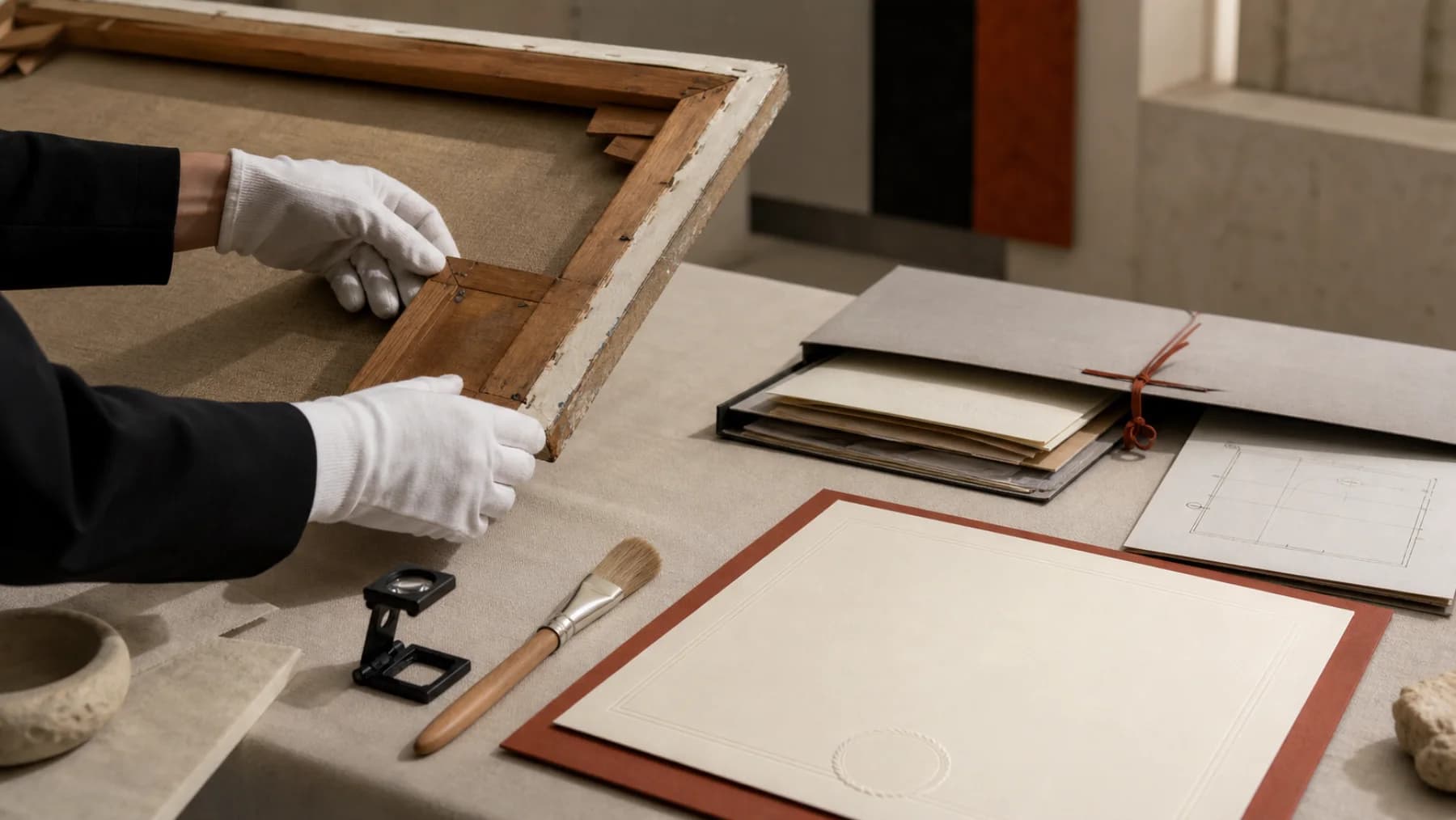
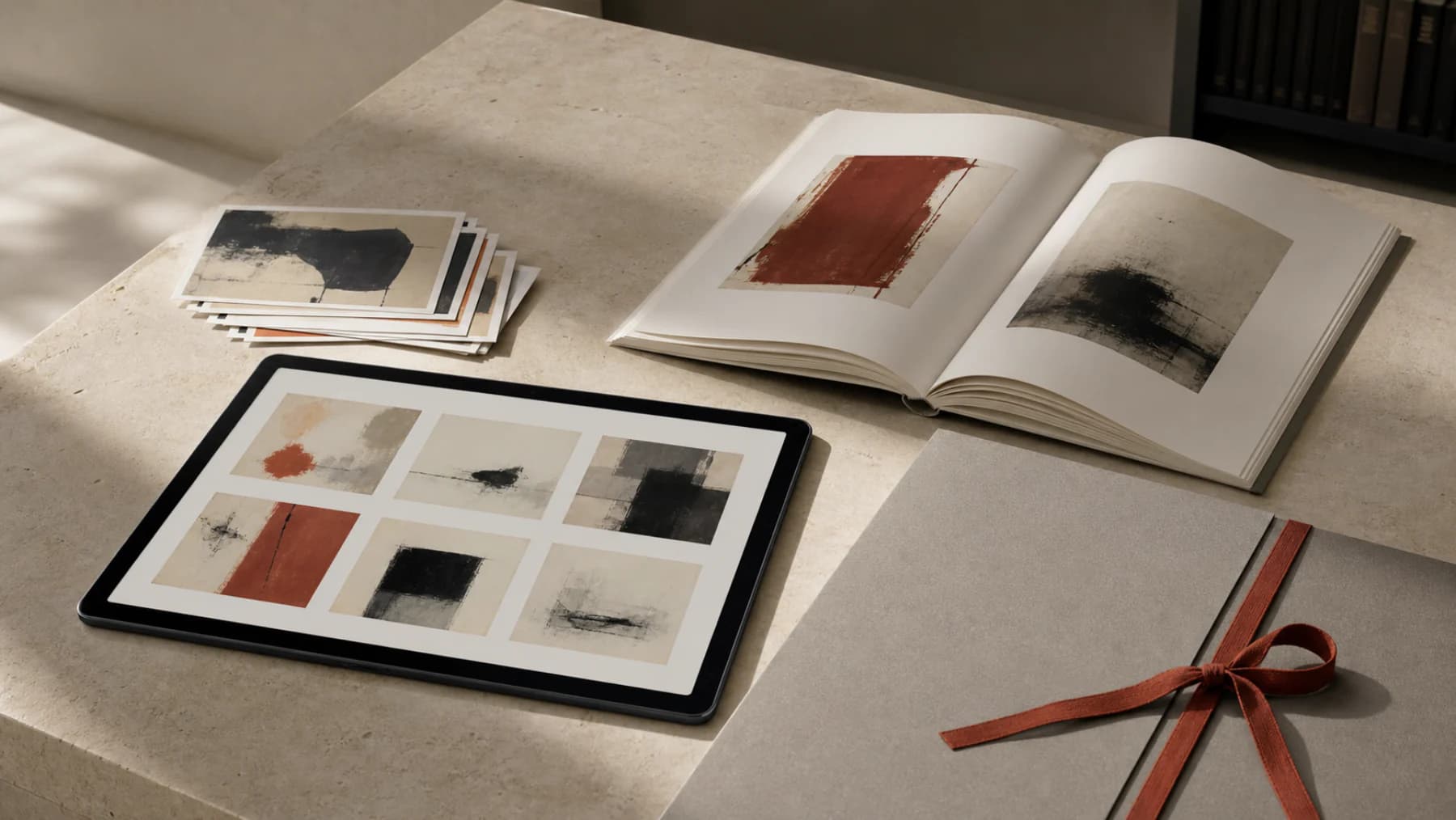
A strong exhibition record includes more than dates. Save installation images, press releases, checklists, wall labels, catalog PDFs, reviews, invitation cards, and any sales or loan documents connected to the show.
These documents support future applications and help prove that the work was part of the exhibition. They are also a gift to anyone later researching your practice.
Track what happened afterward
After the show closes, update each artwork's status and location. Was it sold, returned, consigned, damaged, reserved, reviewed, or requested by someone else?
The end of a show is when records often break. Everyone is tired, work is packed quickly, and paperwork gets separated. A closing checklist prevents later confusion.
Use exhibition history to update your CV
If every show is recorded as it happens, your artist CV becomes much easier to maintain. You can decide which exhibitions to include in a selected CV without rebuilding the full history each time.
This is especially useful for artists with a mix of solo shows, group shows, fairs, degree exhibitions, residencies, and open studios.
A simple exhibition record checklist
- Exhibition title
- Venue and city
- Opening and closing dates
- Curator or organiser if relevant
- Artworks included
- Installation images
- Press, checklist, or catalog files
- Sales, loans, or consignment details
- Return location after the show
Worked example
A complete show record
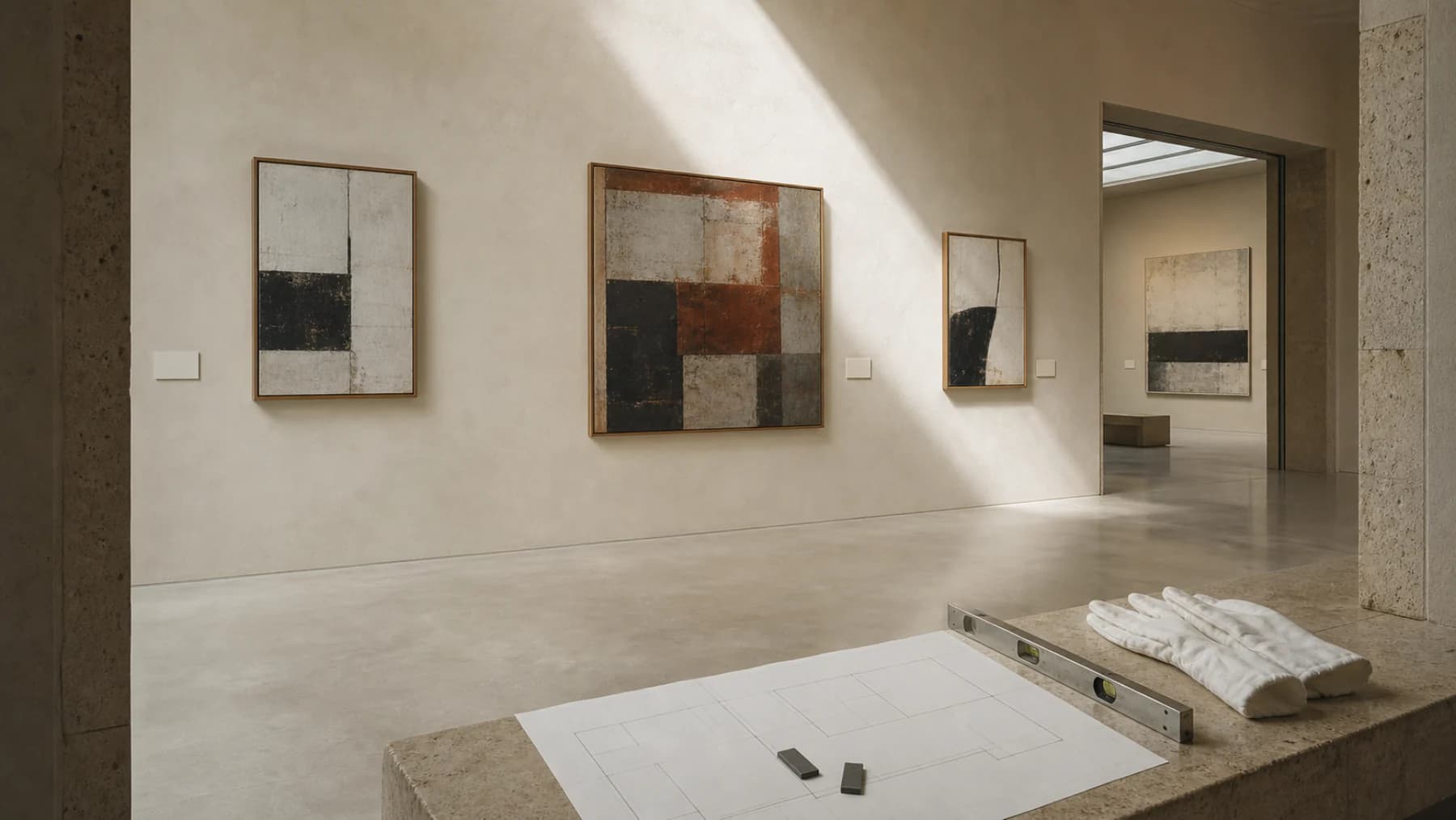
For a group show, save the venue, city, opening and closing dates, title, included artwork codes, installation photographs, PDF checklist, and return location. Each artwork record can then point back to the same show without retyping the details.
Keep exhibitions connected to the works shown
Artwork Codex lets you track exhibitions against artwork records, so CV updates, provenance notes, and future catalogs start from the same source.
Paid checkout requires a card. Cancel anytime. The Free plan remains available without a card.
Free plan available. Exhibition records compound over time.