Preparing Artwork for Gallery Consignment
What this helps you do
Hand work to a gallery with the terms and condition recorded.
Consignment is a handoff. Your artwork leaves the studio, but ownership usually remains with you until it sells. That makes preparation important. The work should arrive clearly identified, properly documented, priced consistently, and easy to track until it is sold or returned.

At a glance
Key takeaways
- Agree the commission, retail price, discount authority, insurance, timing, and return process before packing the work.
- Send a list that lets both sides match every physical artwork to its record without guessing.
- Record the condition and current location at handoff, then close the record when the work sells or returns.
Confirm the consignment terms first
Before packing anything, confirm commission rate, retail price, discount authority, payment timing, insurance responsibility, consignment period, shipping responsibility, and return procedure.
A friendly relationship is not a substitute for written terms. Clear paperwork prevents awkward conversations later.
Prepare a clean artwork list
Send or print a consignment list with every work included. Each line should include inventory number, title, year, medium, dimensions, retail price, and any edition details.
The gallery should be able to match the list to the physical work without guessing. Use the same inventory numbers on labels, packaging, and your own records.
Check condition before delivery
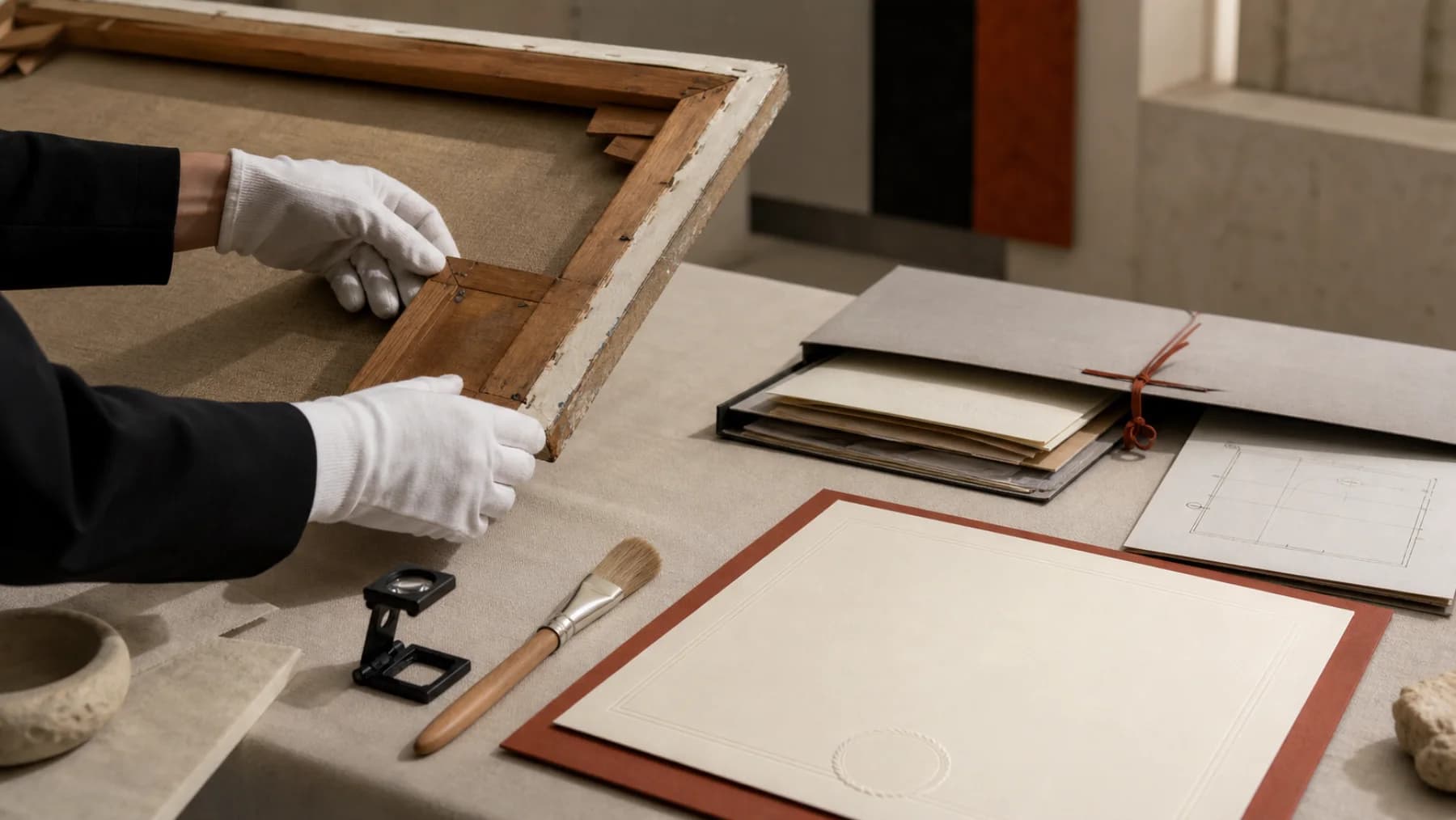
Photograph each work before it leaves. Record existing frame marks, surface issues, or packaging concerns. This protects both sides if damage is discovered later.
For framed works, check glazing, hanging hardware, dust seals, labels, and corners. For works on paper, check sleeves, hinges, and mat condition.
Label packaging clearly
Packaging should identify the work without requiring someone to unwrap every piece. Add inventory number, title, artist name, orientation, and handling notes if needed.
If the packaging will be reused for return, make it durable enough to survive the full consignment period.
Update location and status immediately
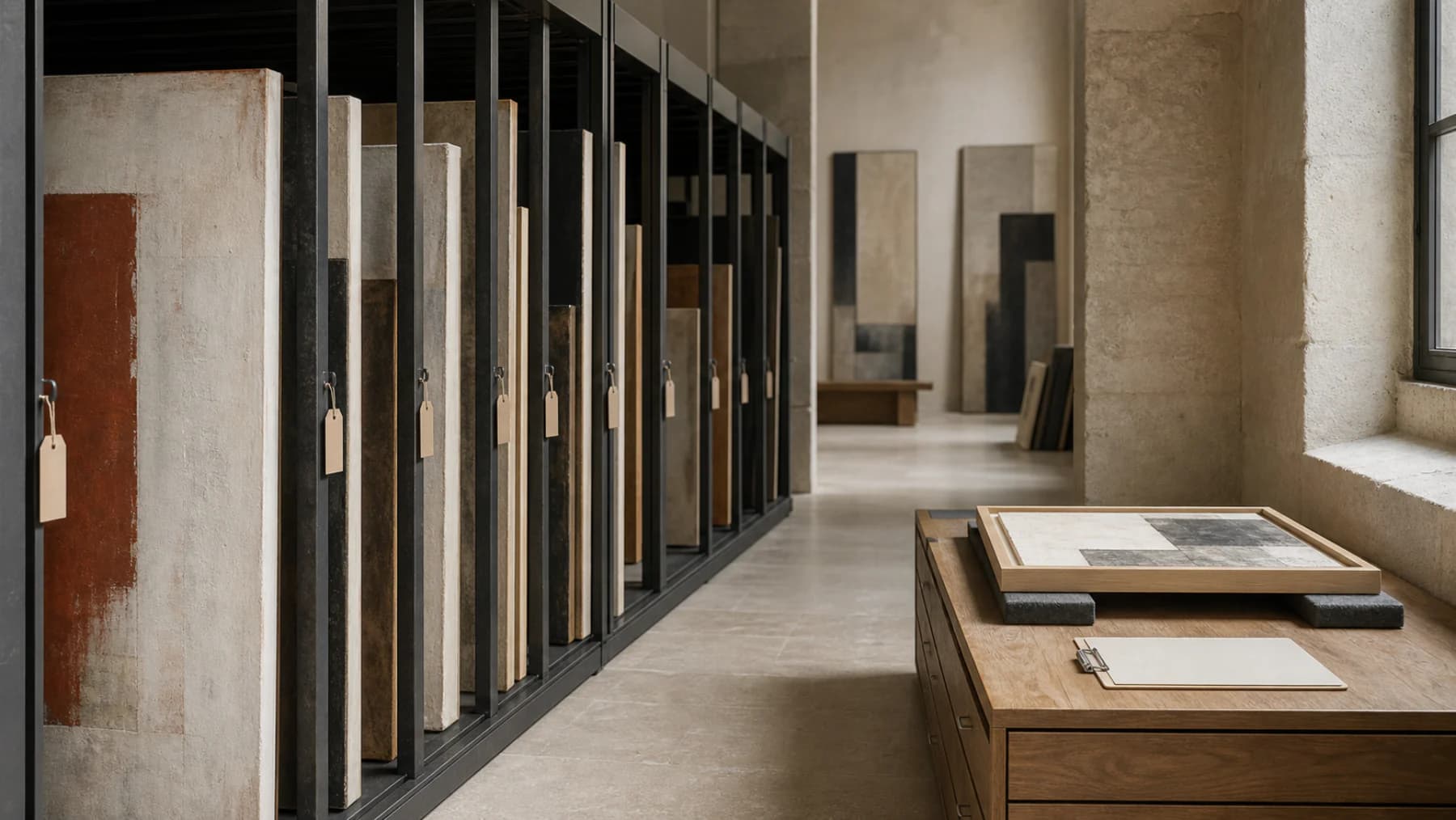
When the work leaves, update its current location to the gallery or fair and mark it as consigned. Add the date, contact person, consignment agreement, and expected return or review date.
This is the habit that stops works from drifting into a vague category of probably at the gallery.
Close the loop
At the end of the consignment period, record what happened to each work: sold, returned, extended, damaged, discounted, reframed, or moved to another show.
Consignment is not finished when the work leaves the studio. It is finished when the artwork record matches the real world again.
Worked example
A consignment handoff
For each artwork, include its code, title, year, medium, dimensions, agreed retail price, condition photographs, and packaging label. Add the gallery contact, start date, review date, and location to the record on the day it leaves the studio.
Sources and further reading
Track consigned work from handoff to return
Artwork Codex helps you record consignment status, gallery contacts, prices, locations, documents, and sales history on each artwork record.
Paid checkout requires a card. Cancel anytime. The Free plan remains available without a card.
Free plan available. Consignment records protect both the work and the relationship.