Annual Artwork Inventory Audit: A Year-End Checklist
What this helps you do
Reconcile the studio and the digital record before gaps multiply.
An annual inventory audit is the studio equivalent of sweeping the floor properly. It clears small errors before they become permanent confusion. Once a year, check that the archive still matches the physical work, the sales history, the storage room, and the public portfolio.
At a glance
Key takeaways
- Compare the physical studio, sales history, storage, and public portfolio to the archive at least once a year.
- Make a short repair list for missing images, documents, prices, and locations instead of trying to fix everything at once.
- Finish with an export and a tested backup so the cleaned record is protected.
Start with physical location
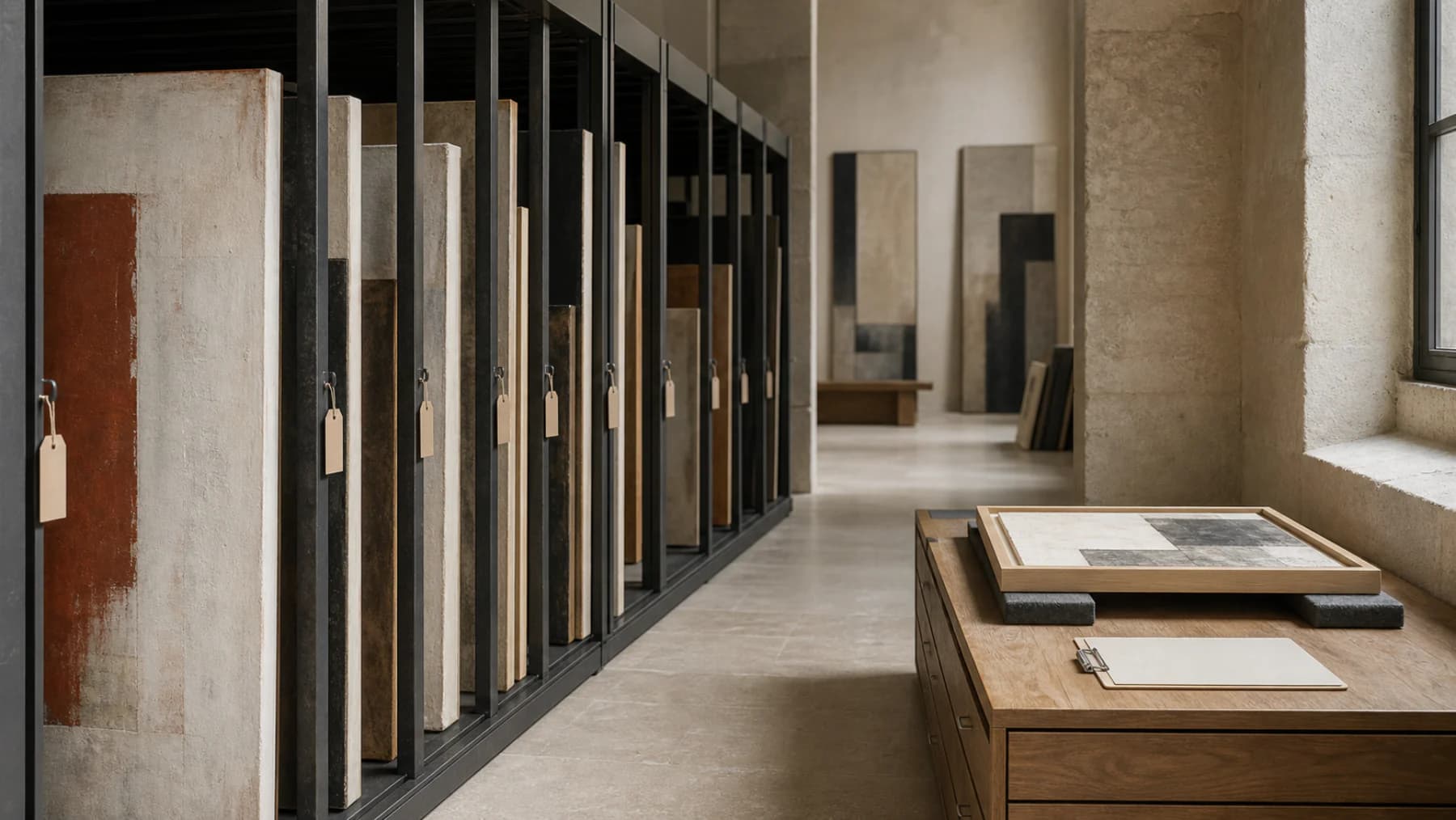
Walk through the studio, storage, racks, flat files, and off-site spaces. Check that each artwork's recorded location matches where it actually is.
Pay special attention to works that were framed, shipped, exhibited, loaned, or consigned during the year. Movement is where records usually drift.
Update status and availability
Make sure sold works are marked sold, reserved works are still reserved, consigned works are still with the gallery, and unavailable works are labelled clearly.
If you have public listings, confirm that availability is accurate there too. Nothing creates awkwardness faster than a collector enquiring about a work that sold months ago.
Check prices with confidence
Review pricing by medium, size, series, and recent sales. Look for inconsistencies. If similar works are priced wildly differently, decide whether there is a real reason or whether the archive simply drifted.
An audit is a good moment to adjust future pricing, but avoid rewriting history. Keep past sale prices as records of what actually happened.
Find missing images and documents
Look for artworks with weak images, missing verso photos, absent certificates, lost invoices, incomplete consignment paperwork, or no exhibition documentation.
You do not have to fix everything in one sitting. Make a short repair list and start with available works, sold works with active collectors, and works likely to be shown soon.
Review the public portfolio
Your public portfolio should reflect the work you want people to see now. Remove weak older pieces, add stronger current work, check captions, test contact links, and review the mobile experience.
Do the same for private viewing rooms and PDFs that might still be circulating. Expire or update old selections where needed.
Back up and export
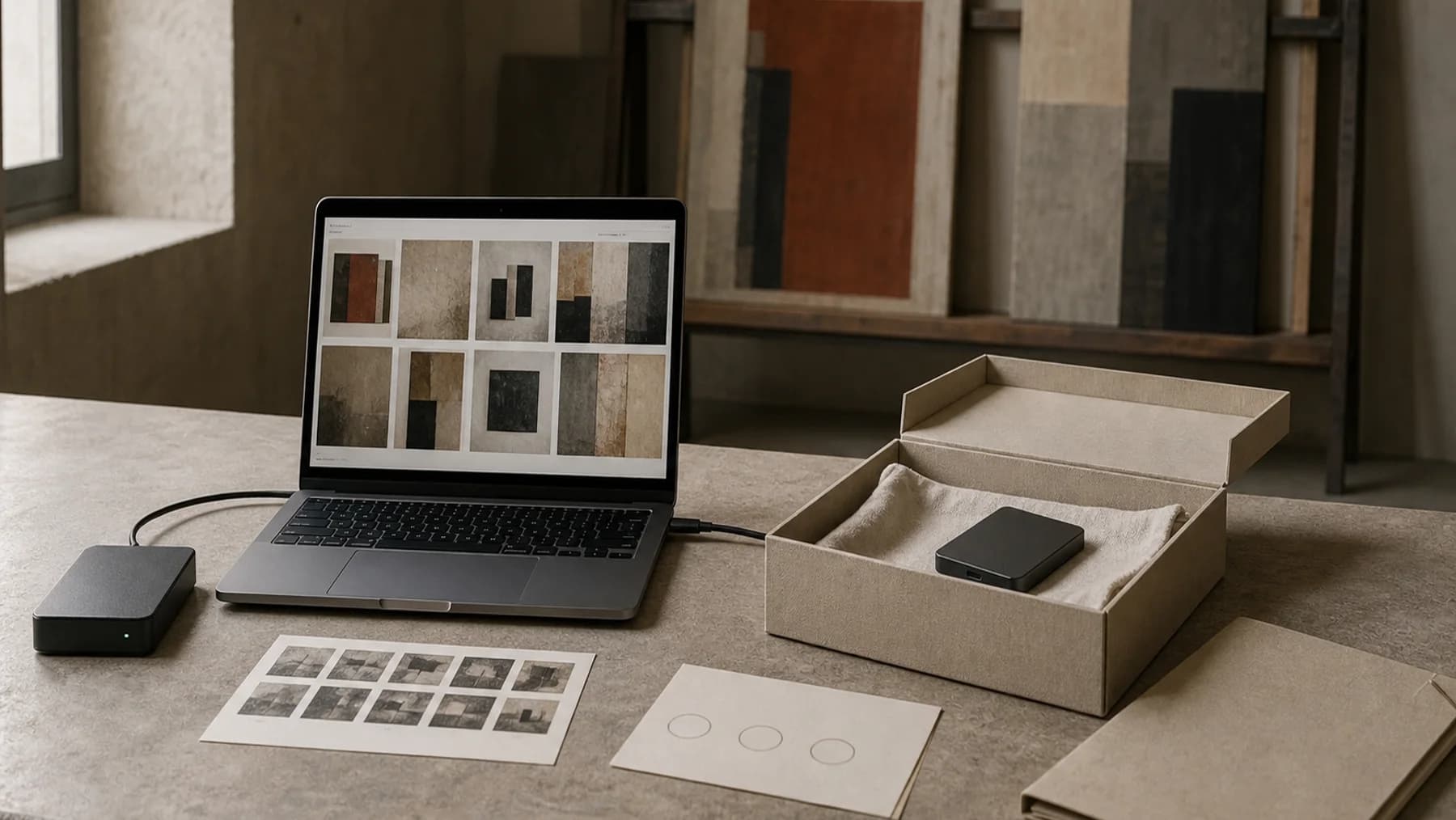
End the audit by exporting inventory data and backing up image and document folders. Store a copy somewhere outside the working machine.
A clean audit plus a fresh backup is one of the most useful gifts you can give next year's version of your studio.
- Check current locations.
- Update sold, reserved, consigned, and available status.
- Review prices and sale history.
- Repair missing images and documents.
- Refresh portfolio and viewing rooms.
- Export records and back up media.
Worked example
A two-hour annual audit
Start with one rack or drawer and confirm locations. Then review sold and consigned works, flag missing images or paperwork, check the public portfolio on a phone, export the inventory, and back up the folders you changed. Repeat next week for the next area if needed.
Use your inventory as a working archive
Artwork Codex helps you review artworks, locations, prices, sales, contacts, documents, images, and public visibility from one structured system.
Paid checkout requires a card. Cancel anytime. The Free plan remains available without a card.
Free plan available. A cleaner archive makes the next year easier.